

Astrological Prasna
The Art of Questioning in Jyotish


In this latest conversation, I speak with astrologer Ernst Wilhelm about the fascinating and highly practical world of Prasna. In our one-hour talk, Ernst discusses how to master the art of the query and demonstrates how to maximize the analytical power of the KALA software.
He explores multiple interpretive layers, including several of his own time-tested techniques for more accurate readings.
About Prasna
In the vast architecture of Jyotish, if the birth chart might be interpreted as destiny, then Prasna (the astrology of questioning), is the high-definition snapshot of a single, urgent moment in time.
In western astrology Prasna is referred to as “Horary Astrology,” and is similarly based on the profound Hermetic principle that the macrocosm of the heavens reflects the microcosm of a human thought. When a question is asked with sincerity, the planetary positions at that exact second contain the answer.
Prasna is a living, breathing branch of Vedic science that bypasses the need for an accurate birth time, focusing instead on the cosmic energy surrounding a specific dilemma. Its powder lies in its immediate clinical utility.
If you enjoy these interviews, please consider supporting my ongoing efforts to produce more interviews. Buying Me A Coffee makes a huge difference - thank you!
Unlike a general life reading, the Prasna chart is highly specialised; it functions like a diagnostic tool for the “here and now.” Here the Lagna (rising sign at the moment of the question) and the Moon (the significator of the mind), the astrologer can determine not just the outcome of a situation, but the hidden drivers behind it.
Whether the query is about a missing object, a career shift, or a medical crisis, Prasna reveals whether an individuals Prana, or life-force is moving toward a state of fulfilment or stagnation.
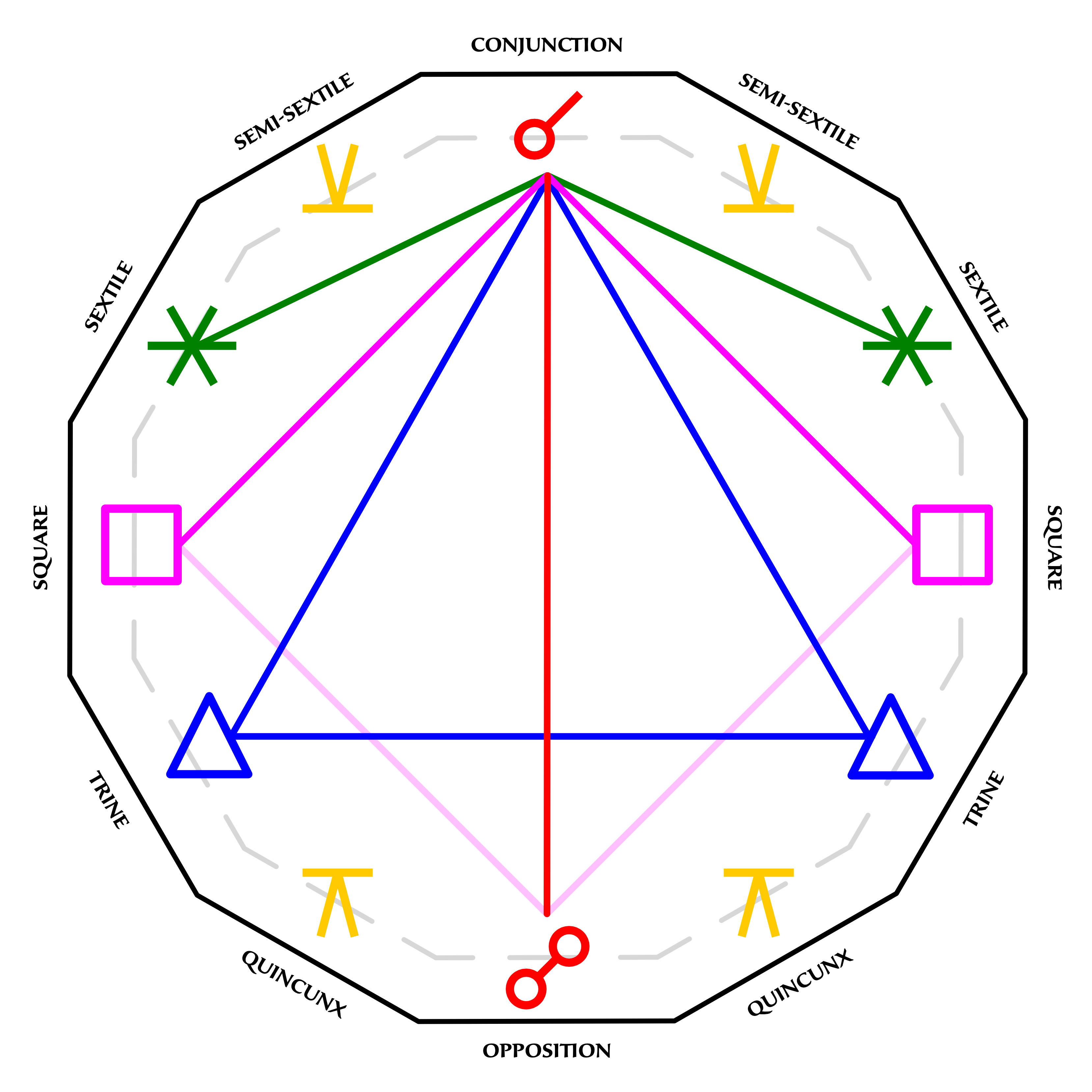
Different types of aspect used in Prasna
What distinguishes Prasna from regular Jyotish is its synthesis of the Tajika (Persian) system of astrology and aspects. Here we look at Itasala Yogas (applying aspects) to see if a desired result is approaching, or Eshrapha Yogas (separating aspects), to see if the moment has already passed.
When combined with mathematical measures like Shadbala (six-fold strength) and Vargottama (internal resilience), Prasna becomes more than just a prediction; it becomes a map of the karmic momentum currently at play, offering the seeker a rare glimpse into real and practical workings of the universe.
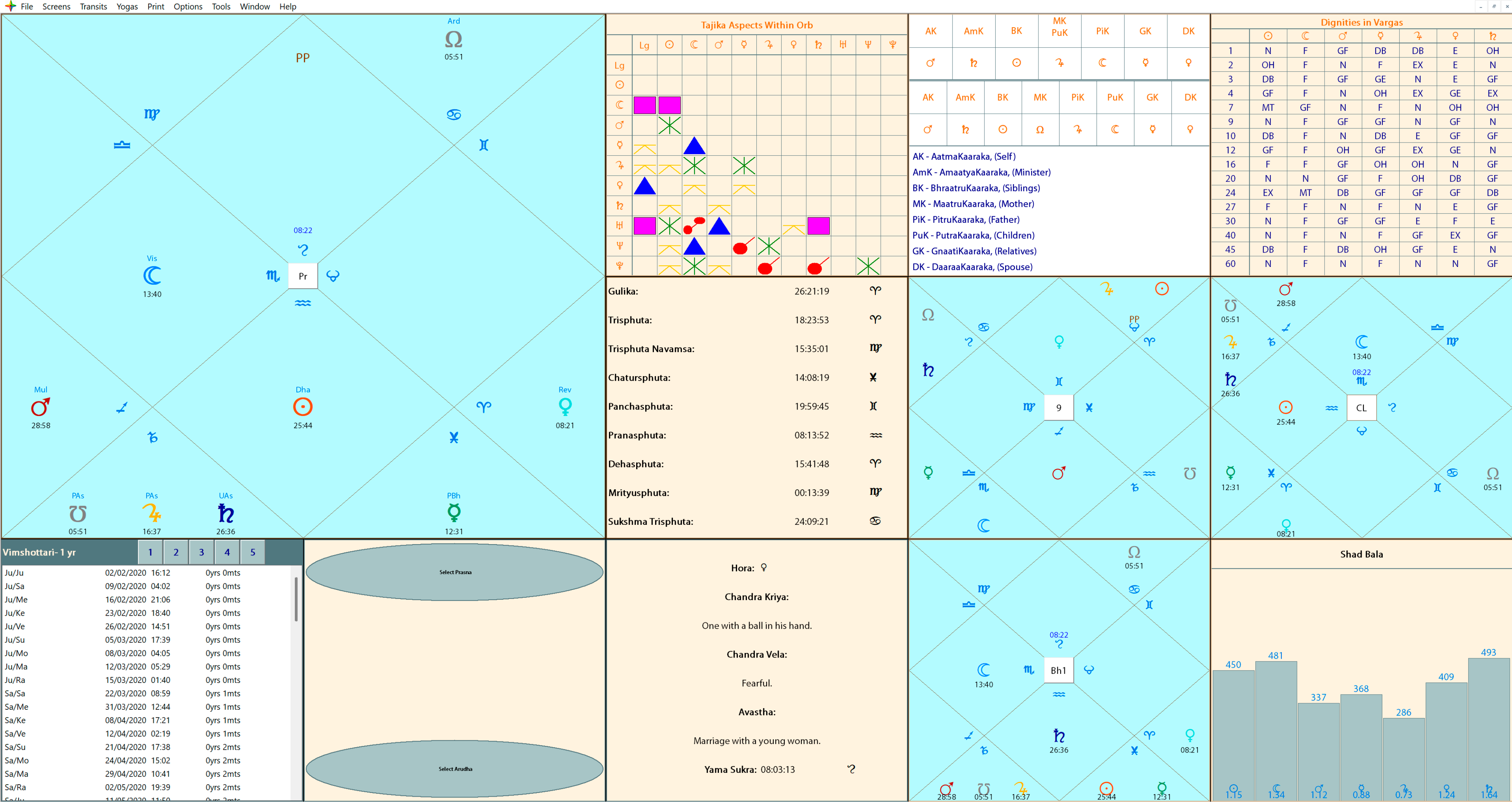
Sample chart used in this talk
This is a must-watch for Jyotish practitioners and students alike. I hope you find this latest instalment as insightful as I did!
SOME USEFUL LINKS: